articles

In the ever-evolving world of vision correction, multifocal contact lenses have emerged as a game-changer for individuals seeking a seamless solution to address their presbyopia. As you navigate through life's various stages, your eyes may undergo changes that can impact your ability to focus clearly on objects at different distances. Multifocal contact lenses offer a convenient and effective way to combat this challenge, providing you with a versatile and comfortable option for correcting your vision.
What Are Multifocal Contact Lenses?
Multifocal contact lenses are specialized lenses designed to correct presbyopia, a condition that typically occurs as you age, making it difficult to focus on near objects. Unlike traditional single-vision lenses that correct either near or distance vision, multifocal contact lenses incorporate multiple prescriptions into a single lens. This innovative design allows you to enjoy clear vision at various distances, eliminating the need for separate reading glasses or bifocals.
How Do Multifocal Contact Lenses Work?
Multifocal contact lenses employ advanced optical technologies to provide seamless vision correction. These lenses feature distinct zones or concentric rings that correspond to different prescriptions for near, intermediate, and distance vision. As your eyes move and focus on objects at varying distances, the appropriate zone of the lens comes into play, ensuring a clear and comfortable visual experience.
There are two main types of multifocal contact lens designs:
Simultaneous Vision Design: In this design, the lens incorporates multiple prescriptions simultaneously, allowing your eyes to utilize the appropriate zone based on the viewing distance. This design can take some time to adjust to, as your brain learns to interpret the different visual inputs.
Alternating Vision Design: Also known as "segmented" or "translating" lenses, these lenses have distinct zones for near and distance vision. As you move your eyes or shift your gaze, the appropriate zone is positioned in front of your pupil, providing the necessary correction.
Eye Conditions That Multifocal Contact Lenses Can Treat
Multifocal contact lenses are primarily designed to address the following vision-related conditions:
Presbyopia: As you age, the natural lenses in your eyes lose flexibility, making it challenging to focus on nearby objects. Multifocal contact lenses can correct this age-related farsightedness, allowing you to see clearly at all distances.
Myopia (Nearsightedness): If you struggle to see distant objects clearly, multifocal contact lenses can incorporate a prescription to correct myopia, while also providing near and intermediate vision correction.
Hyperopia (Farsightedness): For individuals with farsightedness, multifocal contact lenses can offer a solution by incorporating a prescription to improve distance vision, along with near and intermediate vision correction.
Astigmatism: Some multifocal contact lenses are designed to correct astigmatism, a condition caused by an irregularly shaped cornea or lens, resulting in blurred or distorted vision.

Migraines are a debilitating neurological condition that affect millions of people worldwide. One of the most common and disabling symptoms of migraines is light sensitivity, also known as photophobia. This heightened sensitivity to light can be a significant source of discomfort and pain for those suffering from migraines, making it difficult to function during an attack.
Photophobia is a common symptom of migraines, with up to 80% of migraine sufferers experiencing sensitivity to light during an attack. This sensitivity can be triggered by various types of light, including natural sunlight, fluorescent lighting, and even the glow of computer screens or smartphones.

Vision therapy is a specialized form of treatment that aims to improve visual function and performance. It involves a series of eye exercises, activities, and visual training techniques designed to address a wide range of vision-related issues. Unlike traditional eye care, which often focuses on correcting refractive errors with glasses or contact lenses, vision therapy takes a holistic approach to addressing the underlying causes of visual problems.
By targeting the root causes of these issues, vision therapy can help individuals achieve better visual function, improve their overall well-being, and enhance their ability to perform daily tasks with greater ease and efficiency.
Amblyopia
Amblyopia, commonly known as "lazy eye," is a common vision condition that affects approximately 2-3% of the population. It occurs when one eye develops reduced visual acuity due to the brain's inability to properly process information from that eye.
In many cases, amblyopia develops during childhood, often due to factors such as refractive errors, strabismus (misaligned eyes), or visual deprivation. If left untreated, amblyopia can lead to permanent vision loss in the affected eye, as the brain increasingly favors the stronger eye and the weaker eye's visual processing abilities deteriorate.
Vision therapy is a highly effective treatment for amblyopia, as it aims to retrain the brain to properly utilize the weaker eye. Through a series of specialized exercises and activities, vision therapy can strengthen the neural pathways between the brain and the affected eye, improving visual acuity and binocular vision.
The key to successful treatment lies in the brain's remarkable ability to adapt and change, known as neuroplasticity. By engaging in targeted vision therapy, individuals with amblyopia can stimulate this neuroplasticity, allowing the brain to reorganize and improve its processing of visual information from the weaker eye.
Strabismus
Strabismus, also known as crossed eyes or misaligned eyes, is a condition where the eyes do not properly align with each other. This can cause one eye to turn inward, outward, upward, or downward, resulting in a lack of binocular vision and depth perception.
Strabismus can have a significant impact on an individual's visual function, self-esteem, and overall quality of life. Left untreated, it can lead to the development of amblyopia (lazy eye) and other vision-related problems.
Vision therapy is a highly effective treatment for strabismus, as it focuses on retraining the brain and the eye muscles to work together in a coordinated manner. Through a series of specialized exercises and activities, vision therapy can help individuals with strabismus improve their eye alignment, binocular vision, and depth perception.
Binocular Vision Disorders
Binocular vision disorders are a group of conditions that affect the way the eyes work together as a team. These disorders can result in a range of visual problems, including difficulty with depth perception, eye strain, headaches, and difficulties with reading and other visual tasks.
Some common binocular vision disorders that can be effectively treated with vision therapy include:
Convergence Insufficiency: This condition is characterized by the inability of the eyes to properly converge, or come together, when focusing on a close object. This can lead to eye strain, headaches, and difficulties with reading and other near-work activities.
Accommodative Dysfunction: Accommodative dysfunction is a problem with the eye's ability to focus, or "accommodate," on near objects. This can cause blurred vision, eye strain, and difficulties with reading and other close-up tasks.
Vergence Dysfunction: Vergence dysfunction refers to a problem with the eye's ability to work together to maintain proper alignment and focus. This can lead to double vision, eye strain, and difficulties with depth perception.
Through vision therapy, individuals with binocular vision disorders can retrain their visual system to work more efficiently and effectively. The goal of vision therapy is to improve the coordination and synchronization of the eyes, ultimately leading to better visual performance and reduced visual symptoms.
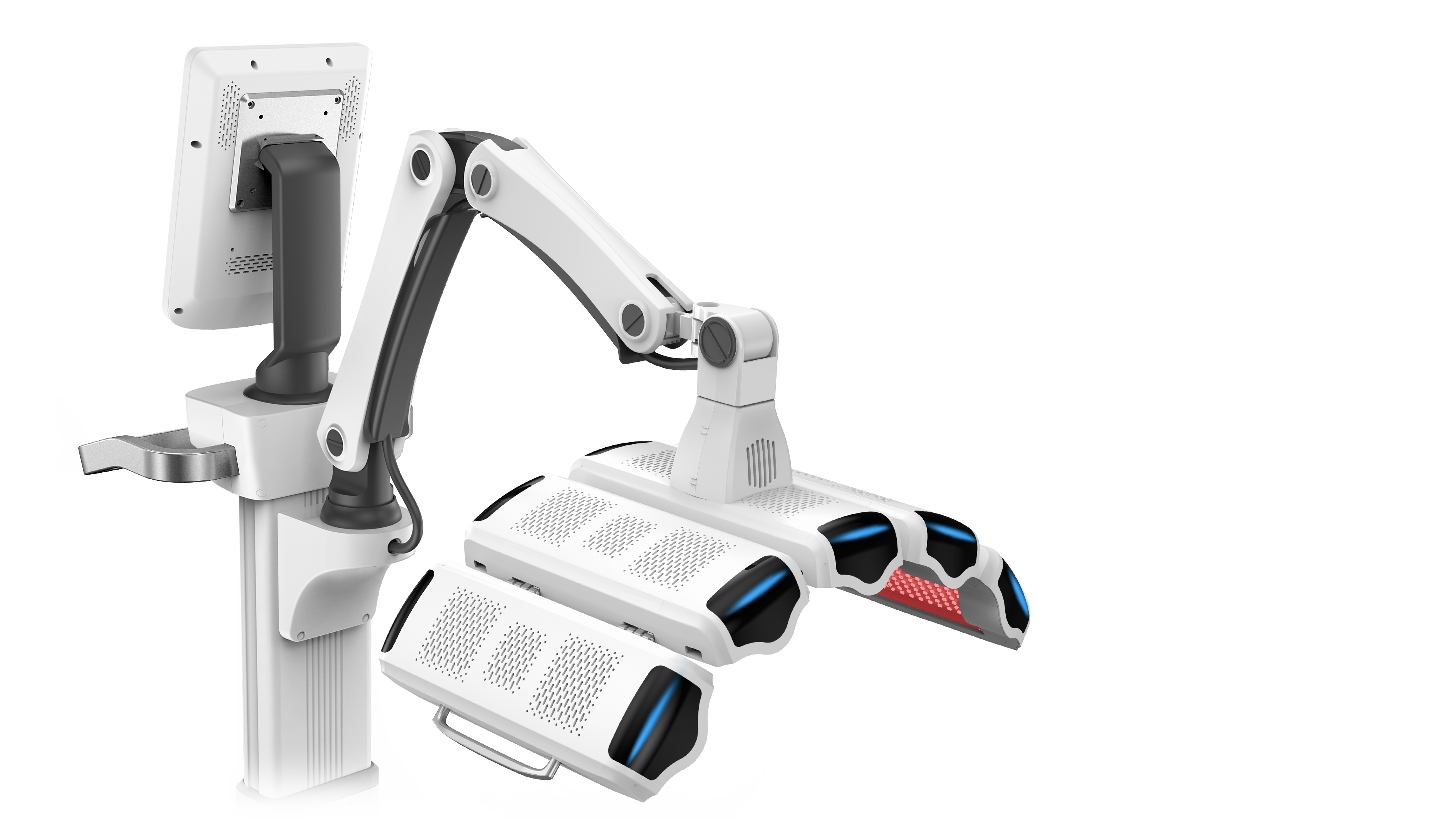
What is Low Level Light Treatment (LLLT)?
Low Level Light Treatment (LLLT) is a non-invasive therapy that provides relief for dry eye. LLLT uses specific wavelengths of light to stimulate cellular activity and reduce inflammation in the eyes. This can help to improve the function of the meibomian glands and reduce the symptoms associated with dry eye.
LLLT for dry eye typically involves the use of a specialized device that emits low levels of light onto the eyelids. The light is absorbed by the cells in the eyelids, which then triggers a series of biochemical reactions that help to improve tear production and reduce inflammation.

If you find it difficult to tell colors apart, you may be color blind. Color blindness, or color deficiency, is estimated to affect around 8% of men and about 1% of women, but for those affected, it can significantly impact the quality of their day-to-day life. Contrary to popular belief, being color blind doesn’t mean that you can’t see any color at all. Instead, patients simply struggle to differentiate between certain colors. The vast majority of people who are color blind find it impossible to tell the difference between varying shades of red and green. You may hear this referred to as red-green color deficiency. However, this doesn’t only mean that they mix up red and green. They can also mix up colors that have some green or red light as part of their whole colors, for example purple and blue. This is because they are unable to see the red light that forms part of the color purple.
As you can probably imagine, this type of visual impairment can be a problem for things like traffic lights, taking medications and even looking at signs and directions. For example, someone who is color blind may find that the green on a traffic light may appear white or even blue.
EnChroma lens technology is specifically designed to counteract red-green color deficiency and enable patients to better identify the difference in these colors or shades. They do this by selectively filtering out the red and green wavelengths of light at the exact point where the color sensitivities overlap before hitting the retina, creating far greater contrast between the colors so that the patient can distinguish between them successfully. Most cases of color blindness respond well to EnChroma’s innovative spectral lens technology, giving patients the ability to experience life in bright, vibrant technicolor.
EnChroma lenses are made from leading edge, Trivex material, and this helps to give them the best possible quality and clarity of vision. These lenses are also extremely light, strong and offer patients 100% protection against UV light, helping to keep your eyes healthy as well as improving your vision.
If you or someone you know is color blind or color deficient and could benefit from EnChroma lenses, contact us today to learn more about how they can help!

Senior eye care is crucial for maintaining optimal vision and overall eye health as we age. As individuals grow older, they become more susceptible to age-related eye conditions. Regular comprehensive eye exams play a key role in early detection and management of these conditions, helping to preserve vision and prevent potential vision loss. By staying proactive with eye care and seeking timely professional assistance, seniors can enjoy clear, comfortable vision and ongoing eye health for years to come.
Common Eye Conditions in Seniors
As we reach our golden years, there are several eye conditions that become more prevalent. These conditions can have a significant impact on our vision and overall quality of life.
Presbyopia: This condition affects near vision, making it difficult to focus on close objects. It is a normal part of aging and is typically addressed with reading glasses or multifocal lenses.
Floaters and Flashes: As the vitreous inside the eye changes with age, it can lead to the perception of floaters (small dark spots or lines) and flashes of light. While often harmless, sudden onset of floaters and flashes may indicate a retinal tear or detachment and should be promptly evaluated.
Age-Related Macular Degeneration (AMD): AMD is a leading cause of vision loss in older adults. It affects the macula, the central part of the retina, leading to blurred or distorted central vision. There are two forms of AMD, dry AMD, and wet AMD, with the latter being more severe.
Cataracts: Cataracts are a common age-related condition characterized by the clouding of the eye's natural lens. This can lead to blurry vision, glare, and difficulty seeing in low-light conditions.
Glaucoma: Glaucoma is a group of eye conditions that damage the optic nerve, often due to elevated intraocular pressure. It can result in peripheral vision loss and, if left untreated, may lead to total blindness.
Diabetic Retinopathy: For seniors with diabetes, diabetic retinopathy is a concern. It occurs when high blood sugar levels damage the blood vessels in the retina, leading to vision problems and potential blindness if not managed.
Dry Eye Syndrome: Seniors may experience dry eye syndrome, characterized by insufficient lubrication and moisture on the surface of the eye. It can cause discomfort, redness, and fluctuating vision.

Optical Coherence Tomography is a non-invasive imaging test that may be performed as a standard part of your regular, comprehensive exams, or you may be able to request this test as an addition to your usual exam.
Optical Coherence Tomography uses light waves to take cross-section images of your retina, which is the area of light-sensitive cells at the back of your eye that is responsible for receiving light and transmitting it into messages that are sent up to the brain. The technology behind OCT enables your eye doctor to see each of the different layers that make up the retina. By being able to see these and measure them, they can obtain a much clearer picture of the overall health and condition of your eyes.
Why are Optical Coherence Tomography scans important?
When you choose to have an OCT scan at fairly regular intervals, such as during your normal comprehensive eye exams, your eye doctor can compare newer results to previous ones. This helps them to build up a picture of the health of your eyes, and spot any changes which may be concerning, early, before they cause symptoms or have a permanent effect on your vision.
Anyone can have an OCT scan, but they are particularly recommended for patients over the age of 25 who are concerned about the health of their eyes, or who are at risk of or already have diabetes, glaucoma or a family history of eye disease. This is because they can be used to spot the early signs of a range of eye diseases, including glaucoma, diabetic retinopathy, macular degeneration, disorders of the optic nerve and more – even before you realize that you are affected.

Our eyes are extremely delicate, yet they can be subjected to harsh conditions and other environmental factors that affect their health. One of the problems that can affect our eyes is an accumulation of dirt, debris and bacteria on the eyelids. This can cause a range of issues, including stopping tear film from reaching the eyes and being properly dispersed over their surface – which is necessary to keep them healthy and comfortable. Fortunately, a new solution called BlephexÔ can help.
What is BlephexÔ?
BlephexÔ is a handheld electro-mechanical device that is applied to the margins of the eyelids with the purpose of cleaning them and improving the effectiveness with which tear film flows onto the surface of the eyes.
BlephexÔ has a disposable, surgical-grade sponge tip which rapidly oscillates to create a cleaning action. Before the sponge tip is placed onto the eyes, it is soaked in a gentle exfoliating solution. This solution provides soft abrasion to help remove dead skin cells and debris that could be irritating the eyes and interrupting tear film progression. The BlephexÔ device is manually applied to the eyes and moved gently across the eyelids, with the entire, painless process taking approximately 6 to 8 minutes per eye. A different sponge is used on each eye, ensuring that no bacteria is passed between them. After the procedure, patients are given instructions on how to maintain the cleanliness of their eyelids with daily/nightly eyelid hygiene at home.
Most patients experience a significant improvement in tear film production and dispersal, and a reduction in unpleasant symptoms that they may have been experiencing within 48 hours of their treatment. While a single treatment is normally enough to produce excellent results, many patients are advised to have BlephexÔ every 4-6 months.
What conditions can BlephexÔ help with?
BlephexÔ can be used to clean the eyelids at any time, and people who suffer from dry eyes or eye allergies may find it is particularly beneficial for helping to reduce the symptoms that they experience. It can also be combined with Lipiflow – another technological solution – to help counteract the effects of dry eyes.
Unsurprisingly, BlephexÔ is particularly recommended as a treatment for an eye condition called blepharitis. Blepharitis is characterized by the inflammation of the eyelids, which causes them to become red, swollen and itchy. Although the condition is not usually serious, it can lead to further problems if it isn’t treated.
Symptoms of blepharitis include:
Sore eyes
Itchy eyes
A gritty, irritated feeling affecting the eyes
Redness
Flakes or crustiness around the roots of the eyelashes
Eyelids that stick together when you wake up in the morning
If you are suffering from the symptoms of blepharitis, dry eyes or eye allergies and feel that you would benefit from BlephexÔ treatment, please contact our team to schedule a consultation appointment.

As technology continues to advance, so does the field of the optometric industry. The development of innovative tools and techniques has allowed for more accurate and comprehensive examinations. One such technology is Optos, a revolutionary system that utilizes ultra-widefield retinal imaging technology to provide optometrists with a detailed view of the entire retina.
How Does Optos Work?
Optos technology is based on the principle of ultra-widefield retinal imaging, which allows for a wider and more detailed view of the retina compared to traditional imaging techniques. The Optos system consists of a specialized camera that captures high-resolution images of the retina using scanning laser ophthalmoscopy (SLO) and optical coherence tomography (OCT) technologies. SLO provides a wide-field view of the retina, while OCT allows for cross-sectional imaging, providing valuable insights into the various layers of the retina.
The Optos camera is designed to capture images through a process called optomap, which captures up to 200 degrees of the retina in a single image. This wide-field view provides optometrists with a comprehensive picture of the retina, enabling them to detect abnormalities that may not be visible with traditional imaging techniques. The optomap image can be instantly viewed and analyzed by your eye doctor, allowing for a more efficient and accurate diagnosis.
Common Eye Conditions Detected by Optos
Optos technology has the capability to detect a wide range of eye conditions, including but not limited to, diabetic retinopathy, macular degeneration, glaucoma, and retinal tears or detachments. Diabetic retinopathy is a condition that affects individuals with diabetes, causing damage to the blood vessels in the retina. Optos can capture detailed images of the retina, enabling optometrists to detect any signs of diabetic retinopathy and initiate appropriate treatment.
Macular degeneration is another common eye condition that can be detected using Optos. This condition affects the macula, the central part of the retina responsible for sharp, central vision. Optos allows for a comprehensive view of the macula, identifying any changes or abnormalities that may indicate the presence of macular degeneration.
Glaucoma, a condition characterized by damage to the optic nerve, can also be detected using Optos. The wide-field view provided by Optos allows for a thorough examination of the optic nerve and the surrounding structures, facilitating early detection and intervention.
Finally, Optos technology is particularly effective in detecting retinal tears or detachments. These conditions can lead to sudden vision loss and require immediate medical attention. Optos allows for a comprehensive view of the retina, identifying any signs of retinal tears or detachments and initiate prompt treatment.

Dry eye is a common ocular condition that occurs when the eyes do not produce enough tears or when the tears evaporate too quickly. This can lead to discomfort, redness, blurred vision, and even damage to the surface of the eyes. Understanding the causes and symptoms of dry eye is crucial provide early detection and effective treatment.
The Importance of Dry Eye Advanced Diagnostic Testing
Early detection of dry eye is crucial for preventing further progression of the condition and improving patient outcomes. Without proper diagnosis and treatment, dry eye can cause significant discomfort and affect daily activities. Additionally, chronic dry eye can lead to corneal ulcers, infections, and even vision loss. By accurately identifying and addressing dry eye in its early stages, optometrists can provide timely interventions and prevent complications.
TearLab
One of the advanced diagnostic tools available for dry eye is TearLab. TearLab is a non-invasive test that measures the osmolarity of tears, which is an indicator of tear film stability. This test provides valuable information about the quality and quantity of tears, allowing healthcare professionals to accurately diagnose and monitor dry eye. By analyzing the osmolarity of tears, TearLab helps identify the severity of dry eye and guides treatment decisions. It is a quick and painless procedure that can be performed in a clinical setting.
InflammaDry
Inflammation plays a significant role in dry eye, and identifying the presence of inflammation is crucial for effective treatment. InflammaDry is a diagnostic tool that detects elevated levels of matrix metalloproteinase 9 (MMP-9), an inflammatory marker, in tears. By measuring MMP-9, InflammaDry helps optometrists differentiate between inflammatory and non-inflammatory dry eye. This information is essential for tailoring treatment plans and determining the most appropriate therapies for each patient.
Quick Links

All Eye
Care Services

Keep
In Touch
MAP
Powered by: