

Vision Screenings
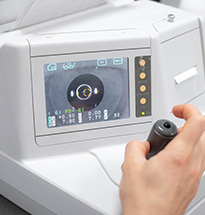
Vision screenings are used to find, glaucoma, strabismus, amblyopia and other eye disorders. However smaller less obvious disorders are often overlooked causing people to think they are healthy when they really are not.
What are they?
Vision screenings are cursory assessments used to find people who suffer from suffer from obvious eye problems. They are often done by students or technicians and occasionally by a doctor. There are two major places where vision screenings are done and both have a slightly different focus.
School screening are for children and the focus is on finding problems including severe nearsightedness, amblyopia and large strabismus (eye turns).
Health fairs are for adults, these generally look for glaucoma, macular degeneration and other diseases of the eyes (children are often screened as well however these diseases are very rare in children).
What isn’t it?
A vision screening is not an eye exam. It does not matter if a doctor does the screening. Believing a child sees perfectly after a school screening is incorrect. Nor is it appropriate to think one is healthy because they pass an eye health screening. School screenings are notorious for finding large problems which are readily apparent but missing the smaller ones. “School screening” is almost a misnomer as they do not look for the small problems which can severly hinder academic success. Health screenings find advanced cases of disease but often miss the earlier and more subtle diseases.
If they miss so much why are they done?
They are done because there is a need and they do help people. Those caught by a screening benefit greatly. Children caught in a screening who are suffering from amblyopia and large eye turns can avoid a permanent reduction in vision. Health screenings can catch glaucoma long before people will notice changes in their vision. Attendees at health fairs often do not get regular health care and so large problems are easily found.
What happens if something is found?
If something is found in a screening then that person (or parents) is generally told they need to follow up with an eye doctor for a more thorough evaluation. The problem really starts when if nothing is found the screeners being nice people say “You’re great, everything is healthy”. It is a completely understandable statement. However it is still wrong. Even a doctor providing a screening does not have the equipment or enough test results to define that person as healthy. At best we know that person does not have an obvious eye turn, case of glaucoma, or amblyopia.
The bottom line:
Overall vision screenings are extremely useful means of catching large problems in populations who would not otherwise get checked; however to believe someone is healthy, or ready for school, because they passed a screening is incorrect.
“Dodge”
William Dodge Perry, OD
Quick Links

All Eye
Care Services

Keep
In Touch
MAP
Powered by: